
Let me start with the shift that reframes everything: the old idea that “gymnasts peak at 16” is gone. Athletes are now competing well into their twenties, and the moment you plan for a career that runs past 22, how you treat the 10-to-14-year-old in front of you completely changes.
Those years are a crossroads — puberty, rising training hours, harder skills, and a growing social life all colliding at once. Navigating it well takes more than good gymnastics. It takes a real development model. Here are the five pillars I build everything on, in priority order.
Table of Contents
1. Culture and communication come first — everything else sits on top
There’s a reason this is pillar number one: no one cares how much you know until they know how much you care. Without genuine trust and connection, none of the technical specifics matter. That means the work starts with the coach — on psychological safety, on verbal and nonverbal communication, and on choosing natural consequences over punishment.
This is also the Priority Filter in action: Health first, then building great humans, then building great gymnasts. Flip that order and you eventually lose all three. Get it right and you build athletes who trust you enough to be coached hard when it matters. If your goal is to create a community of incredible humans who stay in your program for decades, and continue to feed your gym for years to come, you need to focus on culture first.
2. Recovery and wellness are trainable — treat them that way
Talent doesn’t develop in a depleted athlete. Recovery is a skill set you coach, starting with sleep: 8-plus hours, consistent sleep and wake times, morning and evening light, a cool dark room. It’s complemented by fueling: taking in enough food from high-quality sources and staying adequately hydrated. From there, stress and time management — healthy coping, macro goals broken into micro steps, teaching athletes to time-block their weeks.
The piece the sport still under-serves is mental and emotional fitness. We have to break the double standard: physical pain sends an athlete to a doctor and PT for a rehab program, but emotional pain too often gets met with “you’re not tough enough.” Normalize talking about anxiety, stress, and loneliness in healthy ways, and treat mental health as proactive work — not a fire you fight only when it flares.
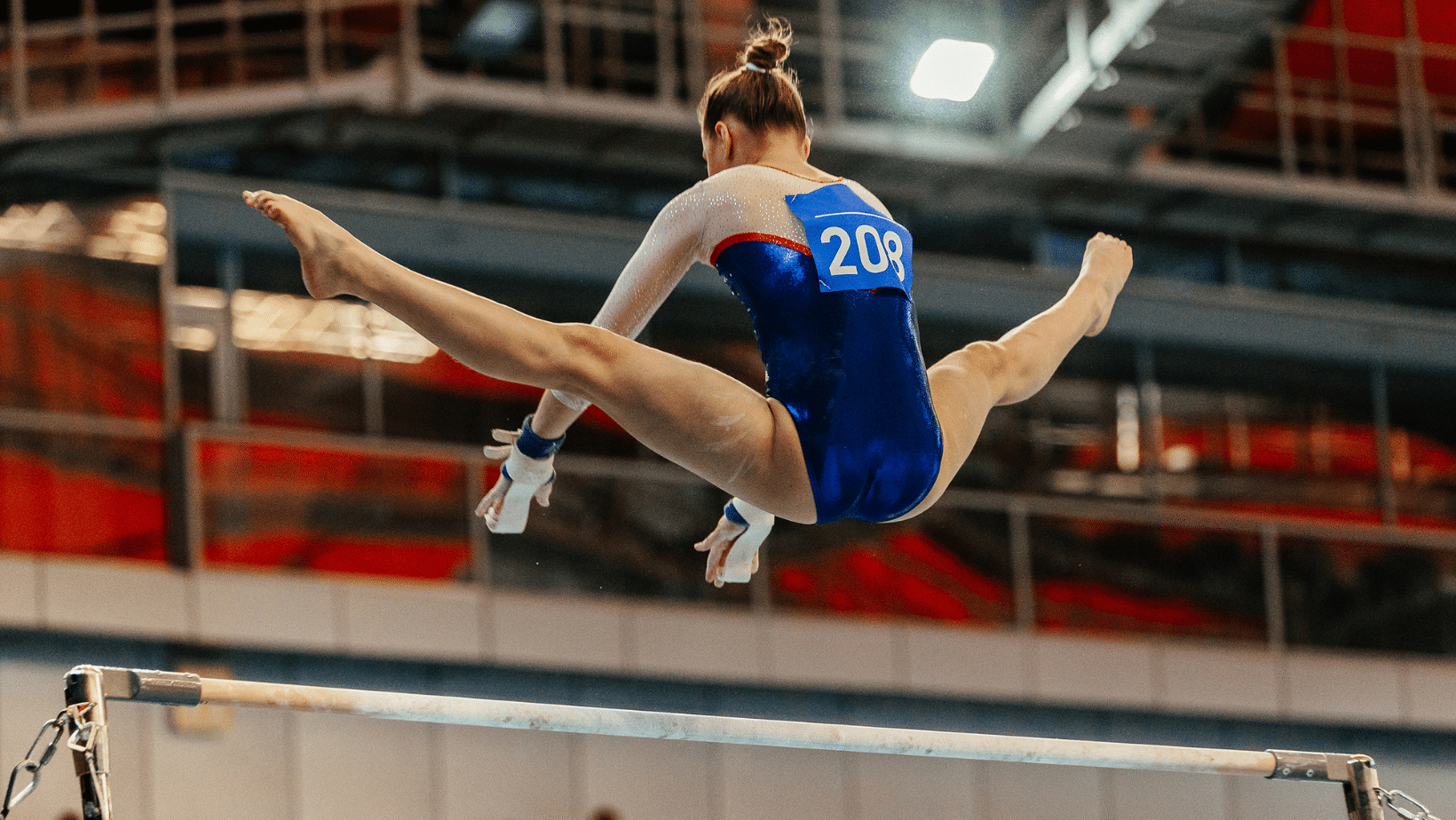
3. Physical preparation is the “basics of the basics” – flexibility, strength, and shaping
Before fancy conditioning, master the foundational physical qualities: shoulder and hip flexibility, baseline strength, and shaping. These are the non-negotiables that keep athletes healthy and make skills possible. If athletes are not mobile and strong enough to create the shapes gymnastics requires, they will get frustrated and stall in their athletic progression through levels.
And do them the modern way. Science-based flexibility beats stretching alone — combine soft tissue, eccentrics, and active flexibility rather than just holding stretches. Put shaping and core control into the daily warm-up. Build strength through a hybrid model of gymnastics-specific and general work. Get the basics of the basics right and everything downstream gets easier.
4. Basics and technique — no matter the goal
Whatever an athlete’s ambition, technique is the through-line. The keys of skill performance — handstand; arch, hollow, and Korbut shapes; compression; stiffness and punching — are what let a gymnast keep progressing without breaking down. You must build a culture, and relevant habit, of spending lots of time on basics each day. Teaching the proper shapes, encouraging pursuit of mastery, and continual effort into the building blocks of gymnastics skills.
Build the habits that drill them daily: warm-up lines, a daily “basics dozen,” side stations, film and video review, and light-day trampoline and drill work. None of it is flashy. All of it compounds. Consistent basics are how you develop skills that hold up under pressure years down the road.
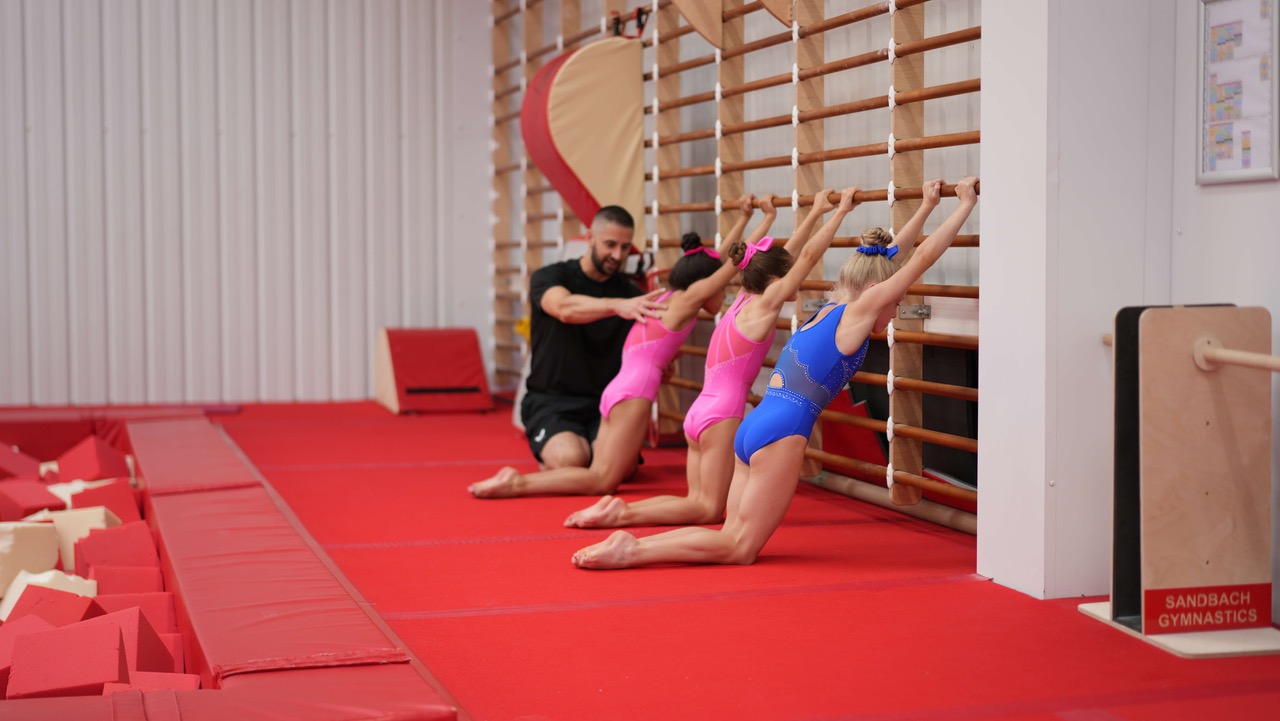
5. Social connection and peer groups are the glue
The stress of life, gymnastics, and sport is inevitable. A gymnast’s peer group is either the biggest buffer against stress or its biggest generator — it’s rarely neutral. So build it on purpose. Start with micro-interactions that put the human first: “How did that test go you were worried about?” reminds an athlete they’re seen as a person, not just an output.
Set family guidelines the whole group lives by — something as simple as “anyone can say anything as long as it’s respectful and honest.” And invest in team bonding outside the gym: game nights, potluck cookouts, a charity or fundraiser day. This is the glue that makes hard training feel worth showing up for.
Here’s the summary I leave every coach with: gymnastics is a voluntary activity that’s supposed to be fun — even at the elite level. Without culture, everything falls apart. And in times of stress, zoom out to these pillars instead of squeezing harder on the one in front of you.
Want the coaching frameworks, the wellness checklists, and the athlete-development templates behind all five pillars? This is exactly what I build out inside The Hero Lab — the culture tools, the recovery and monitoring systems, and the physical-prep programs, all in one place. Use code HEROINSIDER for 25% off your first month, and start developing humans, not just gymnasts.
Click HERE to learn more – https://shiftmovementscience.com/theherolab/
— Dave
Dr. Dave Tilley, DPT, SCS, CSCS — SHIFT Movement Science
Further Reading & Resources
- SHIFT Movement Science — athlete development and gymnastics wellness resources.
- The Priority Filter and 5 Pillars framework (SHIFT Athlete Development & Wellness lecture series).